From Vision to Reality: Our Comprehensive Deck Building Process
Deck construction encompasses a series of important phases, all aimed at transforming a vision into reality. It begins with understanding personal preferences and extends into thoughtful material selection and comprehensive planning. Following local regulatory requirements is critical to keeping the project on track. The construction phase emphasizes quality and detail. With each step forward, carefully considered upgrades enhance the overall area. What elements will truly make this outdoor retreat unique? The answers await in the stages ahead.
What's Your Dream Deck Look Like?
What elements define the perfect deck for someone? The perfect deck usually mirrors individual taste and practical requirements. Design factors can include color schemes, railings, and flooring materials that harmonize with the existing architectural style of the home. The overall design serves a critical purpose; whether it features an expansive space for gatherings or an intimate corner for relaxation, the design should cater to specific activities.
Moreover, features such as integrated seating, shade installations, or ambient lighting elevate both practicality and aesthetic appeal. Consideration of the surrounding landscape is essential, as the deck must harmonize naturally with its surroundings while providing views and accessibility.
Function is essential; the deck must hold up against the elements and accommodate various gatherings. Ultimately, the ideal deck combines elegance, purpose, and resilience, creating an outdoor space that reflects the homeowner's personal taste and way of living. In this way, it becomes not just an addition to the property, but a personalized retreat.
How to Choose Quality Materials for Your Deck Building Project
Picking superior materials is fundamental to creating a ideal outdoor deck. The selection of materials directly impacts the deck's lifespan, visual appeal, and maintenance requirements. Widely used options include treated lumber, composite decking, and premium hardwoods, each providing unique benefits. Pressure-treated wood is cost-effective and long-lasting, compatible with a range of environments. Composite materials, constructed with reclaimed wood fibers and plastics, deliver easy care and protection against decay and pests, establishing them as an popular selection for countless property owners. Premium hardwoods, while more expensive, provide remarkable aesthetics and resilience, ideal for those seeking a premium aesthetic. Moreover, decking boards, railings, and fasteners should be picked thoughtfully, guaranteeing they match the overall design while preserving structural soundness. At the end of the day, committing to high-quality materials will elevate the deck's functionality and beauty, guaranteeing it stays a cherished outdoor space for years to come.
Planning Your Deck Layout and Design Features
When designing deck layout and design elements, it is essential to assess the exterior space to guarantee ideal use. Careful consideration of materials can improve both visual appeal and practicality. Moreover, planning a layout that allows for different activities will enhance overall satisfaction and function.
Evaluating Your Outdoor Space
What is the best way to evaluate their outdoor space before starting a deck-building project? The first step involves assessing the dimensions of the area to determine the measurements and layout that will best accommodate a deck. Examining existing structures, such as fences, trees, and walkways, is essential for ensuring the design complements the surroundings. Additionally, taking sun exposure into account can affect the placement of the deck for optimal light and shade balance. Clarifying the intended purpose of the deck—whether for entertaining, relaxation, or gardening—further guides the layout and features. Finally, considering local building codes and necessary permits guarantees compliance and avoids future complications. This comprehensive assessment lays a solid foundation for a effective deck design.
Picking the Right Materials
A successful deck begins with selecting the right materials, as the selection influences both look and lasting quality. Many material options are on the market, each with its own advantages and limitations. Traditional wood provides a warm, natural look but demands consistent upkeep to avoid deterioration and discoloration. Composite decking, crafted from recycled components, provides durability and minimal upkeep, although it may not fully replicate the natural look of wood. PVC decking presents an additional choice, recognized for its ability to repel moisture and stains, making it ideal for humid climates. Moreover, railing systems and decorative elements should align with the chosen materials, improving the complete visual appeal. In the end, choosing materials that match the intended style, upkeep needs, and ecological factors is critical for a thriving deck project.
Developing Functional Layouts
A thoroughly considered deck layout enhances both practicality and appeal of exterior living areas. When mapping out a deck, it is essential to account for the desired application, whether for hosting gatherings, unwinding, or growing plants. Critical aspects such as sitting areas, walkways, and overhead coverings should be thoughtfully positioned to optimize usability and relaxation.
Including multiple zones can effectively define areas for lounging, cooking, and dining, encouraging a smooth flow between functions. Moreover, the positioning of the deck relative to the prevailing winds and sun can shape planning decisions, ensuring ideal conditions year-round.
Fundamentally, a thoughtfully planned layout not only embodies the homeowners' lifestyle but also complements the surrounding environment, forming a cohesive expansion of the home that is both serviceable and attractive.
Secure Your Permits and Understand Local Regulations
Before commencing construction, it is crucial to look into local regulations that govern deck building. Familiarizing yourself with these regulations helps ensure compliance and prevents potential fines. Additionally, obtaining the necessary permits is a critical step in the deck building process.
Review Local Rules and Regulations
How can homeowners guarantee their deck construction project meets local laws? The initial step requires thorough research into local guidelines dictating deck construction. Homeowners should check municipal websites or speak with local building departments to understand specific zoning laws, setback requirements, and height restrictions. Additionally, they must be aware of any homeowners association (HOA) regulations that may impose further limitations. Local codes often specify materials, safety standards, and construction methods, so complete understanding is essential. Engaging with neighbors can also shed light on past projects and potential challenges. By diligently researching this information, homeowners can ensure their deck design satisfies legal requirements, ultimately facilitating a more seamless construction experience and preventing potential conflicts or fines.
Acquire Required Permits
Securing the necessary permits is a vital step in the deck installation process. It confirms compliance with municipal regulations and safety requirements. Residents must first contact their local government to identify specific requirements, as these can vary considerably by location. Generally, permits may involve submitting detailed plans, including specifications and materials, to municipal officials for review and approval. This stage often includes formal inspections to ensure that the construction meets zoning laws and building codes. Failing to obtain the required permits can result in penalties, forced removal of the structure, or delays in the project timeline. Consequently, familiarizing yourself with local regulations and obtaining the required documentation is critical for a compliant and well-executed deck installation.
Creating Your Deck: Step-by-Step Instructions
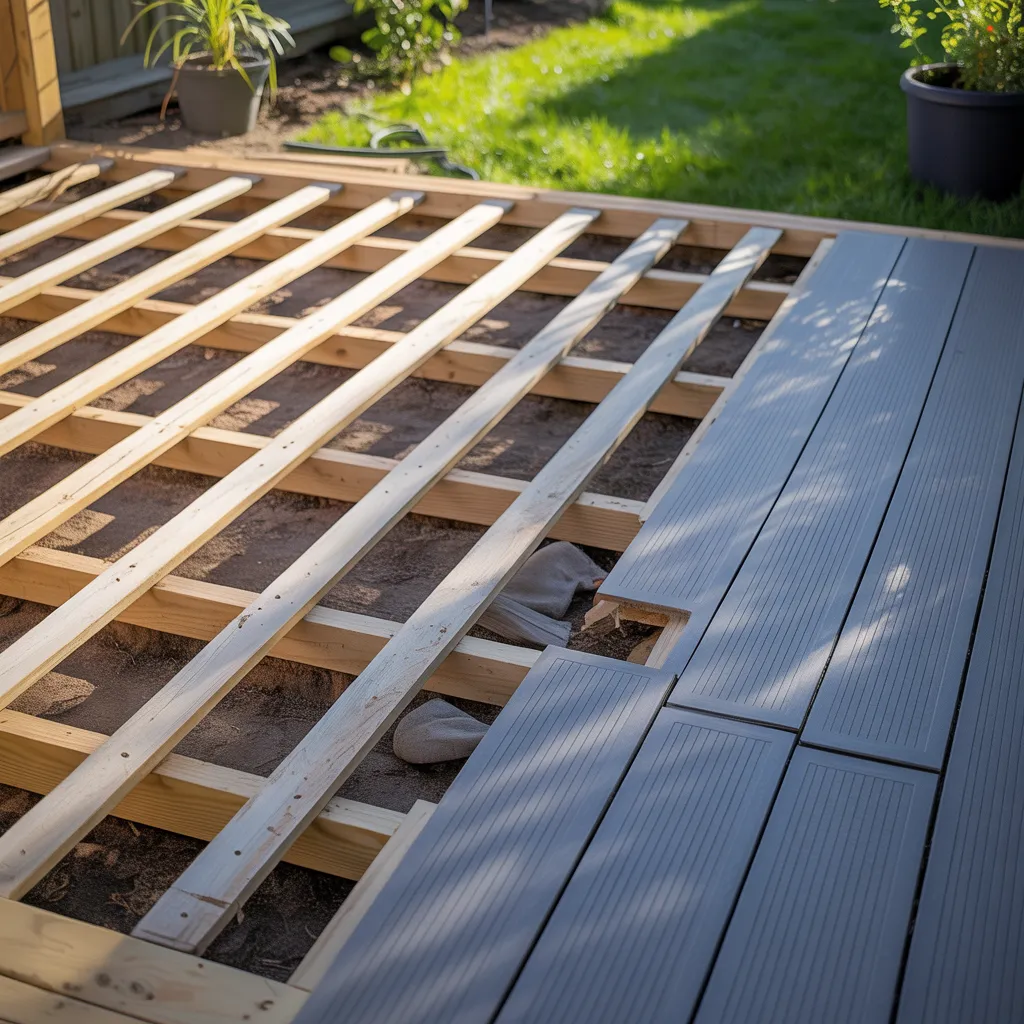
Constructing a deck demands a structured and systematic approach that ensures a durable and attractive structure. The procedure starts with preparing the site, which encompasses eliminating waste and evening the terrain. Following this, the base is established, typically using concrete footings to secure stability. Once the footings are in place, the copyright board is fastened to the house, creating a stable connection for the deck.
Following this, the frame is constructed using pressure-treated lumber, which includes structural beams and joists to reinforce the deck surface. Upon completion of the framing, the decking materials are secured, typically positioned in a pattern that improves visual appeal. Railings are then added for both safety and visual appeal, ensuring compliance with local regulations.
Finally, the deck is subjected to a detailed inspection to verify the overall structural integrity. During this stage, a keen eye for detail is paramount, as it lays the groundwork for a sturdy outdoor living space that will stand up to the elements.
Making Your Deck Your Own: Decor and Accessories
What factors can turn an ordinary deck into a customized sanctuary? Thoughtful decor and accessories play a vital role in this transformation. Outdoor furniture, such as stylish lounge chairs and dining sets, creates a welcoming atmosphere. Adding soft furnishings like pillows and throws in lively hues or prints brings warmth and decorative interest.
Lighting is another essential aspect; string lights or lanterns can create a warm ambiance for evening gatherings. Potted plants or vertical gardens not only enhance the aesthetic but also introduce natural elements that can soften hard surfaces.
Custom accents, such as custom-made signs or one-of-a-kind art pieces, showcase personal preferences and create a sense of ownership. Furthermore, including useful additions such as fire features or outdoor cooking stations can boost the deck's practical appeal, establishing it as a go-to location for rest and social occasions. Collectively, all of these features work together to create a customized essential information outdoor sanctuary.
Common Questions and Answers
What Is the Typical Duration of the Entire Deck Building Process?
The entire deck building process generally spans between two to six weeks, based on factors including design complexity, weather conditions, and material availability. No two projects are alike, greatly affecting the total timeframe.
What Can You Expect to Pay for a Custom Deck?
The typical cost range for a custom deck varies widely, generally falling between fifteen and fifty dollars per square foot, influenced by the materials used, the complexity of the design, and local labor rates, influencing the overall budget considerably.
Do You Provide Warranties on Your Deck Construction Work?
Yes, warranties are provided for deck construction, offering protection from defects and delivering peace of mind. Specific terms and duration may vary, enabling customers to select coverage that best fits their unique needs and preferences.
Can a Deck Be Built During the Winter Months?
Indeed, installing a deck in the winter is doable, but it necessitates careful considerations. Freezing conditions can affect materials and installation processes, so careful planning and appropriate techniques are vital for optimal construction during winter.
How Do You Handle Unexpected Issues During Construction?
Unexpected issues during construction are addressed through proactive communication, on-site assessments, and flexible problem-solving strategies. Our team assesses available options, works closely with clients, and applies practical solutions to reduce disruptions and keep projects on schedule.